Transport chartering: definition, advantages... deciphering a key logistics lever
At a time when the speed and reliability of deliveries have become major challenges, chartering has become a strategic solution for the transportation of goods.
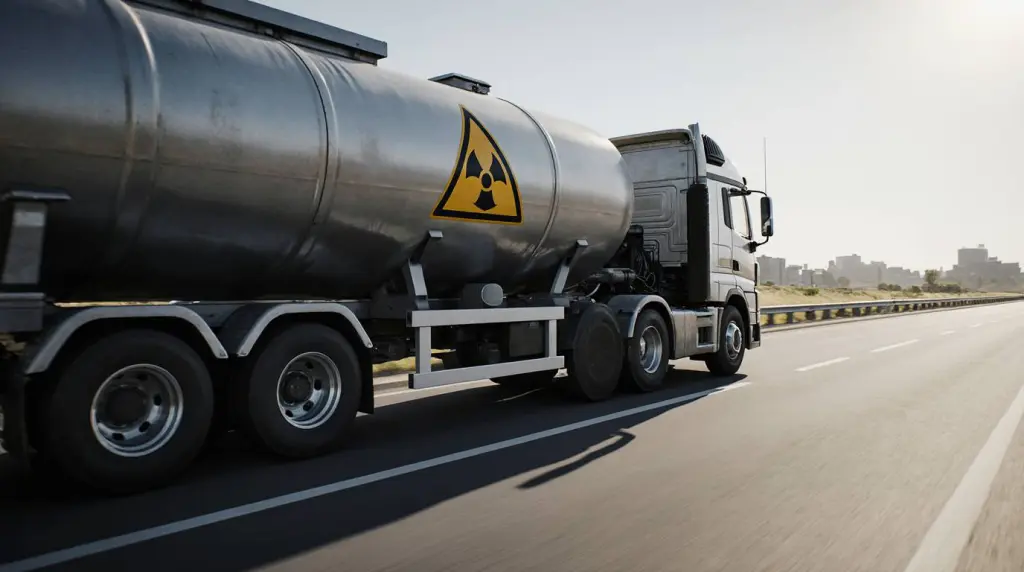
Exemption regimes offer companies a degree of flexibility, but their application requires a clear understanding of the ADR and TDG regulations. So, when is it possible to transport hazardous materials without applying the ADR? What are the conditions, the remaining obligations, the risks involved and the best practices for compliance?
The ADR establishes a framework for the international road transport of goods considered "dangerous" in all signatory states. Many countries also apply it to national transport.
Each mode of transport is governed by its own regulations (road, rail, sea and air), which are frequently updated. The most recent version is the "ADR 2025" edition, applicable since January 1, 2025.
In France, these regulations are enforced by the TMD (Transport de Marchandises Dangereuses) Order of May 29, 2009. A new version was published in 2025 to incorporate the changes introduced by ADR 2025.
The ADR lays down strict rules for the transport, loading and unloading of dangerous goods bound for Europe.

The ADR classifies each dangerous good according to its risk class (from 1 to 9: explosive, gas, flammable liquid, etc.) and its UN number, a unique identifier assigned to each product. Some products are also assigned a packaging group (I to III) according to their level of hazard. These elements define express transport requirements:
The carrier must also ensure that the packages are in good condition, and that loading and unloading instructions are followed. Together, they form a strict chain of compliance designed to protect people, goods and the environment.
In short, it incorporates rules and obligations on packaging, labelling, signage, personal protective equipment (PPE) and vehicle movement.
Certain situations allow dangerous goods to be transported without applying all the requirements of the ADR. These exemptions, provided for in both the ADR and the TDG decree, mainly concern quantities and the transport context.
Article 1.1.3 of the ADR specifies a number of cases where the full requirements do not apply. The most common cases concern :
The LQ and EQ (Excepted Quantities) regimes are widely used in industry. For example, a product classified as a "flammable liquid" (class 3, UN 1993) can be transported without full application of the ADR if each package contains less than 5 liters and the total quantity remains below the defined threshold.
In this case, certain obligations such as the orange plate on the vehicle or the driver's ADR certificate are no longer required. However, packages must remain properly packed, sealed and labeled.
Secondary transport, linked to the company's main activity, is also exempt. For example, a maintenance company may transport a small quantity of corrosive products for its own needs. If the transport remains incidental, over limited distances and under the direct control of the company, an exemption is possible.
In these cases, however, the nature of the material, the quantity and the conditions of transport need to be assessed. HK Courses regularly advises companies on how to calculate these thresholds and properly document their operations.
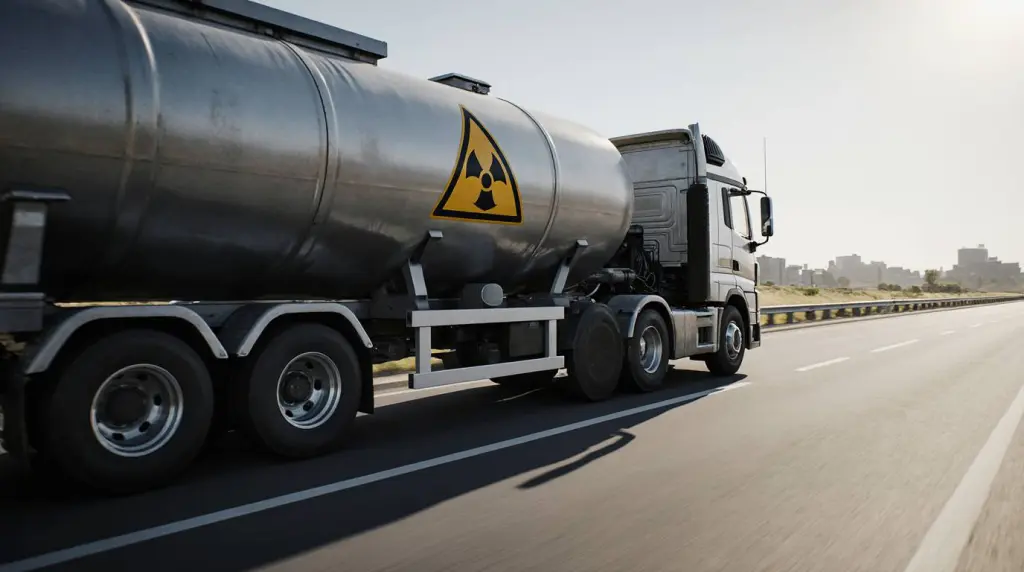
An exemption does not exempt you from everything. Certain obligations remain imperative, because they are a matter of good safety sense.
Even without the full application of ADR, packaging must be appropriate, strong and, in most cases, approved. It must clearly indicate the UN number and product class. A leak or damaged package immediately renders the exemption null and void, and exposes it to penalties.
The TDG decree requires training for all those involved: shippers, loaders, drivers and receivers. It must cover risks, product handling, label reading and procedures in the event of an incident.
Even when no ADR certificate is required, this in-house training is indispensable.
The vehicle must guarantee good load stability, sufficient ventilation and first-aid equipment (gloves, absorbents, fire extinguishers depending on the type of material).
The company remains responsible for the safety of the shipment, even if it is carried out under exemption. In the event of an incident, the authorities may penalize the shipper or carrier for failure to take precautions.
Ignoring regulations or misinterpreting exemptions can be costly. Inspections by the DREAL or the forces of law and order are frequent when transporting hazardous products. Non-compliance (incorrect labelling, missing documents, unsuitable packaging) can result in an administrative fine, vehicle immobilization, or even criminal prosecution.
Beyond the legal aspect, an accident linked to poor packaging or insecure transport can lead to pollution, injury or even fire. These consequences have a direct impact on a company's reputation and business continuity.
The key to successfully transporting hazardous materials, with or without ADR, lies in preparation. Three essential reflexes are essential:
Keeping training and certificates up to date: Exemptions do not preclude document tracking: staff training, packaging certificates, transport registers. The TDG safety advisor, mandatory for certain companies, ensures overall compliance.
Our teams are available 24/7: request a quote or call us.
At a time when the speed and reliability of deliveries have become major challenges, chartering has become a strategic solution for the transportation of goods.
When a company needs to ship an urgent parcel, the choice of carrier becomes strategic. A delay, a damaged parcel or poor tracking management can have a direct impact on…
In a world of ever-increasing trade, the transport of dangerous goods by road represents a crucial safety issue for companies, drivers and the general public. Whether for flammable, toxic or…