Transport of dangerous goods: how to benefit from ADR exemption while remaining compliant?
Transporting hazardous materials requires rigor, expertise and a perfect command of regulations.
In a world of ever-increasing trade, the transport of dangerous goods by road represents a crucial safety issue for companies, drivers and the general public. Whether for flammable, toxic or explosive products, it is imperative to comply with strict rules to minimize risks. The ADR, or Agreement Concerning the International Carriage of Dangerous Goods by Road, is the essential reference that governs this activity. Here's how it works.
The ADR is an essential regulatory framework for the safe road transport of hazardous materials. This code harmonizes the rules so that companies can transport their hazardous materials quickly, efficiently and, above all, without danger to people or the environment.
The history of ADR began in Geneva in 1957, when an international agreement was signed in response to the need to regulate the transport of dangerous goods in Europe. At the time, increasing international trade was exposing people to major risks, and this text laid the foundations for greater safety, by establishing clear standards.
Today,ADR is applied in over 50 countries, including all European states, with France at the forefront. This widespread adoption means that goods can circulate smoothly, while complying with strict requirements along the entire route. Companies benefit from a stable, recognized framework for their operations.
Did you know? HK Courses, expert in express parcel delivery is authorized to deliver delivery of dangerous goods. Our teams are here to help you master this code and guarantee safe, reliable and compliant transport.

The regulations are based on the classification of goods into 9 hazard classes. Each class corresponds to a type of risk: explosives, gases, flammable liquids or solids, toxic substances, etc. This precise classification determines the safety measures to be applied, particularly with regard to packaging and handling.
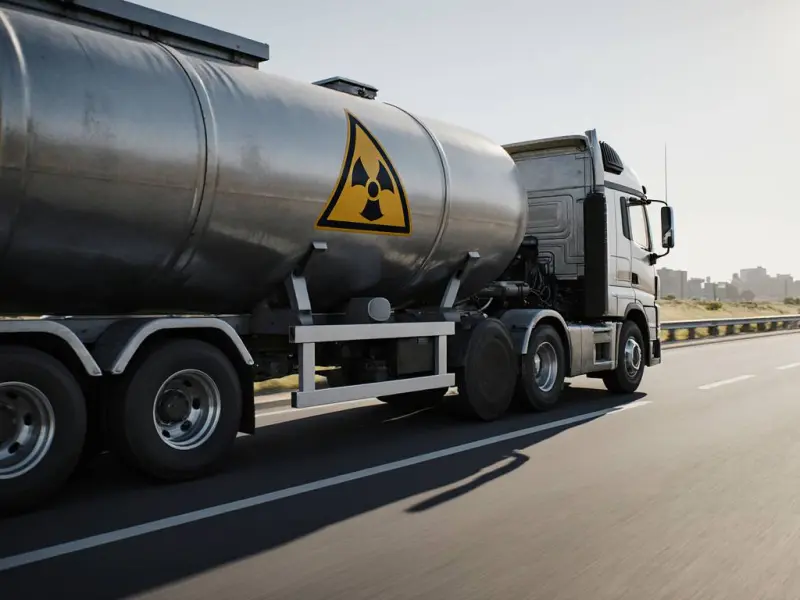
Goods must be packed in ADR-compliant packaging or tanks. These containers are designed to withstand shocks, prevent leaks and display specific markings indicating the nature of the hazard and the precautions to be taken.
Vehicles carrying hazardous goods must be equipped to precise standards, including signage, fire extinguishers and safety devices. What's more, drivers must undergo appropriate ADR training to master the risks and react effectively in the event of an incident.
In France, application of the ADR is governed by the TMD (Transport de Marchandises Dangereuses) decree. This text specifies the national procedures for ensuring rigorous implementation, adapted to local conditions while complying with European standards.
Any company involved in the transport of hazardous materials must appoint a safety advisor. This professional is responsible for ensuring compliance with the rules, staff training and risk management, thus becoming an essential link in the safety chain.
The ADR is updated every two years to incorporate technological innovations and feedback, ensuring that the regulations remain in step with modern safety issues.
Version 2023 of the ADR has introduced significant changes to enhance the safety and compliance of dangerous goods transport, including:
New markings and signage, as well as the integration of new technologies (in-vehicle monitoring systems) have been introduced in version 2023.
The 2025 version will continue to adapt the regulations to changes in the sector, including :
These developments aim to anticipate the risks associated with new technologies, while facilitating safe, compliant road transport.
Strict compliance with ADR regulations drastically reduces incidents during the transport of hazardous products, protecting drivers, the public and the environment.
Failure to comply with ADR exposes companies to severe penalties, ranging from heavy fines to criminal prosecution in the event of an accident. Compliance is not just a legal obligation, but a necessity to preserve reputation and business continuity.
Our teams are available 24/7: request a quote or call us.
Transporting hazardous materials requires rigor, expertise and a perfect command of regulations.
At a time when the speed and reliability of deliveries have become major challenges, chartering has become a strategic solution for the transportation of goods.
When a company needs to ship an urgent parcel, the choice of carrier becomes strategic. A delay, a damaged parcel or poor tracking management can have a direct impact on…