Transport of dangerous goods: how to benefit from ADR exemption while remaining compliant?
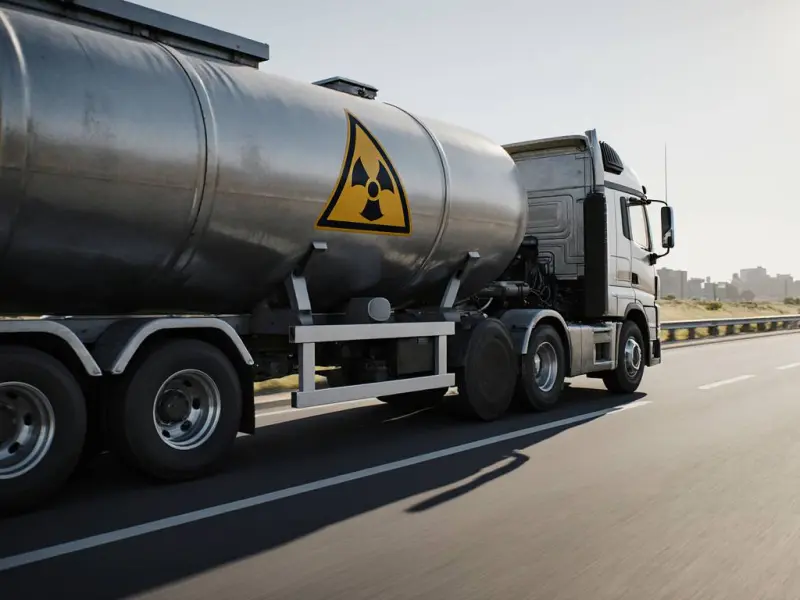
Transporting hazardous materials requires rigor, expertise and a perfect command of regulations.
Transporting goods between France and Ukraine is a major challenge for companies, not least because of the specific logistical and geopolitical challenges associated with the situation in Ukraine. Whether for commercial or humanitarian deliveries, several options are available to shippers. This article explores the different urgent transport solutions available, the associated logistics services, and the regulations and tariffs in force.
Transporting goods between France and the Ukraine can be done by a number of different modes, depending on the nature of the products, lead times and costs involved. Here's an overview of the most common options.
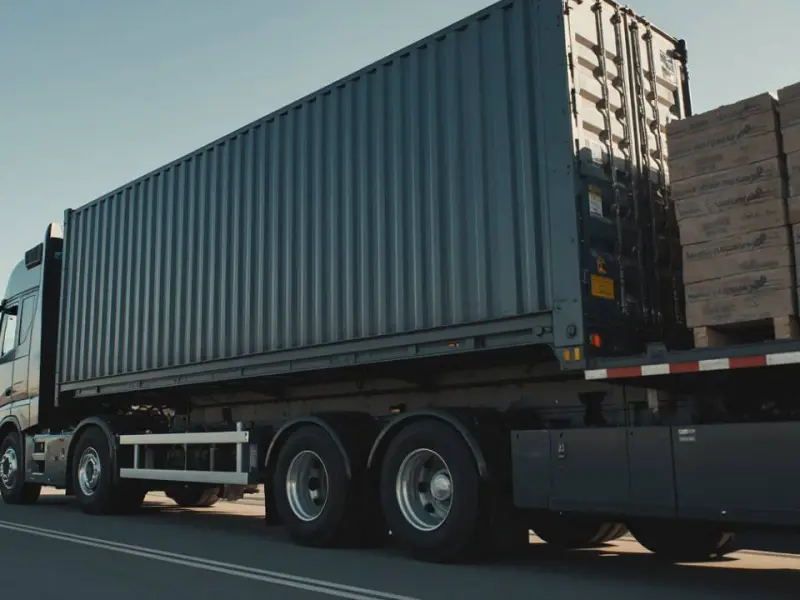
Road transport remains the most common option for deliveries between France and Ukraine. A wide range of goods can be transported by road, from full truck loads (FTL) and trailers to partial truck loads (LTL). Thanks to the geographical proximity of the two countries and the absence of maritime barriers, this mode of transport is fast and flexible.
Although not as widely used as road transport, rail is an interesting alternative for transporting large quantities of goods. The rail link between Europe and Ukraine enables heavy or bulky goods to be transported, while being less dependent on climatic conditions than road transport.
For urgent shipments or sensitive products (pharmaceuticals, electronics, etc.), air freight is the fastest solution. Although more costly, it enables express delivery between France and Ukraine.
Although Ukraine has ports such as Odessa and Ilyitchivsk, sea freight is generally used for bulk deliveries or heavy goods. However, this option is less common for direct France-Ukraine routes, especially for urgent deliveries.
In addition to the mode of transport chosen, many logistics companies offer a range of services to accompany the shipment of goods between France and Ukraine. Here are the main services available.
Specialized companies offer freight transport solutions tailored to the needs of companies: transport of building materials, consumer goods, raw materials, etc. These services often include combined (road + rail) or multimodal transport solutions, offering flexibility and efficiency. These services often include combined (road + rail) or multimodal transport solutions, offering flexibility and efficiency.
Although less common, passenger transport is also an option, especially for humanitarian missions or business trips between France and Ukraine. Transport companies organize coach or train journeys, with stops in major Ukrainian cities such as Kiev.
Customs clearance is an essential step for international shipments. Transport companies between France and Ukraine offer customs clearance services, facilitating the import and export of goods.
To simplify the shipping process, some companies offer door-to-door delivery solutions. This includes transporting goods to their final destination, whether a company or a private address in Ukraine.
When shipping goods between France and Ukraine, it's crucial to understand the regulations in force, including bilateral agreements and customs rules.
Ukraine has signed a number of agreements with the European Union, notably the Agreement on the Carriage of Goods by Road, which facilitates trade. This agreement allows for the smoother circulation of transport vehicles between the EU and Ukraine, reducing bureaucratic obstacles and the costs associated with customs formalities.
Although Ukraine is not a member of the EU, it enjoys certain customs facilities thanks to specific agreements. However, exporters must comply with Ukrainian customs regulations, particularly with regard to shipping documents, taxes and quotas.
The cost of transport between France and Ukraine varies according to several factors: the mode of transport chosen, the size and type of load, and the associated logistics services (customs clearance, door-to-door delivery, etc.).
For an accurate quotation, we recommend contacting a company specializing in France-Ukraine transport directly. The request should include information on the type of goods, weight, load size and preferred mode of transport.
The choice of transport mode depends on your priorities: speed, cost, volume of goods, or final destination. It's essential to analyze these criteria before making a decision.
Make sure you prepare all the necessary documents for international transport: commercial invoices, shipping documents, and certificates of origin, among others.
To optimize delivery times, we recommend working with transport service providers with established logistics networks and real-time tracking solutions.
Transport between France and Ukraine offers a variety of solutions tailored to the needs of companies. Whether you choose road, rail, air or sea transport, each option offers specific advantages. Depending on your requirements, logistics services such as customs clearance and door-to-door delivery may also be essential to ensure a smooth and trouble-free shipment. Make sure you understand the relevant regulations and compare quotes to choose the solution best suited to your needs.
Our teams are available 24/7: request a quote or call us.
Transporting hazardous materials requires rigor, expertise and a perfect command of regulations.
At a time when the speed and reliability of deliveries have become major challenges, chartering has become a strategic solution for the transportation of goods.
When a company needs to ship an urgent parcel, the choice of carrier becomes strategic. A delay, a damaged parcel or poor tracking management can have a direct impact on…