
Transport of dangerous goods: how to benefit from ADR exemption while remaining compliant?
Transporting hazardous materials requires rigor, expertise and a perfect command of regulations.
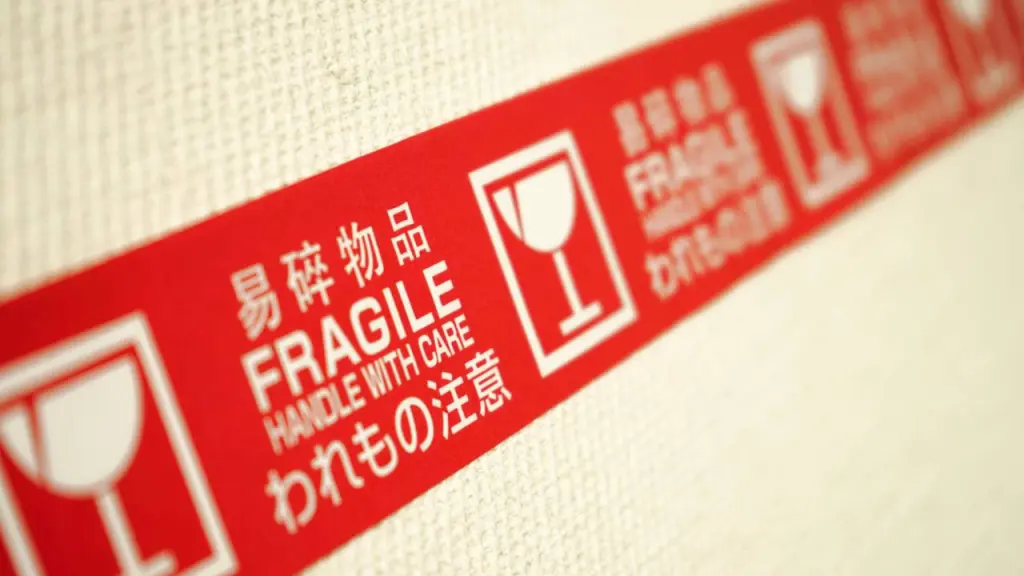
Shipping fragile or high-value items requires special care to ensure their safety during transit. Whether you're sending works of art, electronics or glassware, proper packaging and the choice of a reliable carrier are crucial to avoid the risk of damage. In this article, we'll give you some practical advice on how to protect your fragile and valuable shipments, so that they arrive at their destination in perfect condition.
The security of fragile shipments is of paramount importance, especially when it comes to parcels containing valuable items. Inadequate packaging or an inappropriate choice of carrier can cause irreparable damage, resulting in substantial financial loss and customer dissatisfaction.
Express transport of fragile items involves high risks. Shocks, vibrations and temperature variations can affect the integrity of your items. For example, a poorly protected work of art could be damaged by a shock, or an electronic device could stop working properly due to humidity. These risks underline the importance of choosing the right packing materials and following specific methods for each type of object.
The choice of packaging materials is essential to protect your fragile shipments. Quality packaging considerably reduces the risk of damage in transit.
For fragile objects, opt for double- or triple-flute cartons. These cartons offer greater impact resistance and protection than standard cartons. The choice between double and triple fluting depends on the fragility and weight of the object to be shipped.
Cushioning materials play a key role in protecting objects. Bubble wrap is ideal for wrapping small to medium-sized objects, offering protection against impact. Foam is an effective alternative for heavier or more delicate objects, as it moulds perfectly to the contours of the object. Polystyrene, in bead or sheet form, is often used to fill voids in cartons, preventing objects from shifting during transport.
Depending on the nature of the items you're shipping, packing techniques may vary. Here are some specific methods for different types of fragile objects.
Works of art require special protection. Use tissue paper to wrap the surface of the work directly, followed by several layers of bubble wrap. Then place the work in a reinforced cardboard box with protective foam corners to absorb shocks.
For electronic devices, start by wrapping the device in an antistatic bag, then use foam or bubble wrap to protect delicate components. Place the device in a cardboard box, adding sufficient cushioning material to prevent it from shifting.
Glass and ceramic products should be individually wrapped in bubble wrap. Each item should be placed in the center of the carton, surrounded by polystyrene or foam to avoid contact with the carton walls or other items.
Choosing a secure carrier is a crucial step in ensuring the safety of your fragile shipments.
Not all carriers are created equal when it comes to fragile goods security. It is advisable to compare the services offered, taking into account specific options for fragile objects, guarantees offered, and customer returns. For example, some carriers offer dedicated services for works of art or electronic products, including specialized packaging options.
For your valuable shipments, insurance is highly recommended. It gives you extra protection in the event of loss or damage. What's more, opt for a carrier that offers real-time tracking, so you can monitor your shipment every step of the way.
Need secure transport for your fragile shipments in France or Europe?
Our team will answer you 24 hours a day and send you a quote within 5 minutes — service reserved for professionals
To maximize the security of your shipments, here are a few additional tips.
Before entrusting your parcel to the carrier, check the integrity of the packaging. Make sure there are no signs of weakness or damage that could compromise the safety of the shipment.
Inform the recipient of the fragility of the package and provide instructions for careful handling on receipt. This may include inspecting the package before signing for receipt, or handling items according to specific precautions.
The safety of your fragile and valuable shipments depends on a number of factors, from packaging to the choice of carrier. By following these tips, you'll minimize the risk of damage and ensure that your items arrive in perfect condition. Always prioritize the quality of packaging materials, and rely on specialized carriers for maximum peace of mind.
Transporting hazardous materials requires rigor, expertise and a perfect command of regulations.
At a time when the speed and reliability of deliveries have become major challenges, chartering has become a strategic solution for the transportation of goods.
When a company needs to ship an urgent parcel, the choice of carrier becomes strategic. A delay, a damaged parcel or poor tracking management can have a direct impact on…