.webp)
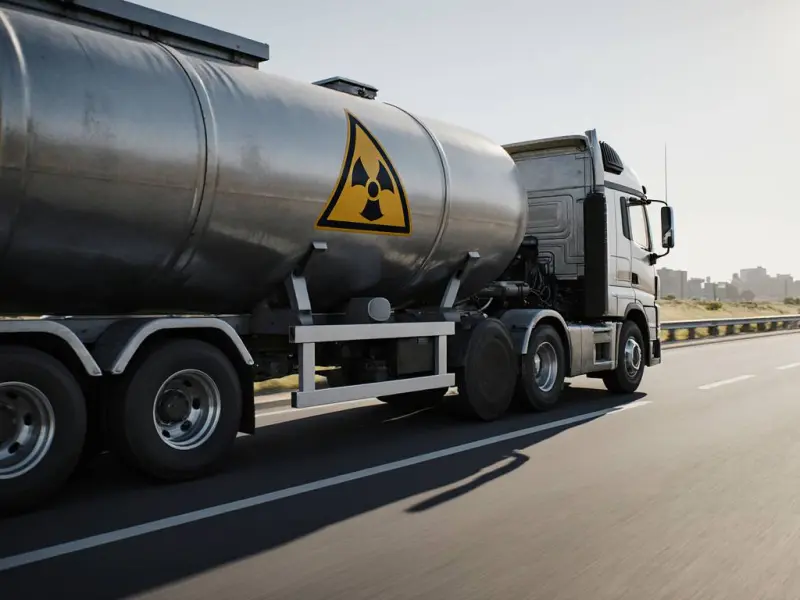
Transport of dangerous goods: how to benefit from ADR exemption while remaining compliant?
Transporting hazardous materials requires rigor, expertise and a perfect command of regulations.
The Covid-19 health crisis demonstrated the importance of efficient, responsive logistics, particularly for the transport of medicines. A vaccine supply and distribution chain was set up in record time to meet demand on an unprecedented scale. The complexity involved in storing, transporting and delivering millions of sanitary masks, a massive volume of "conventional" medicines and, subsequently, doses of vaccines, required coordination at all levels between the public and private sectors. Here are the main lessons learned from the pandemic.
The crisis highlighted the need for flexible supply chains to guarantee a constant flow of medicines. In France, as elsewhere in the world, the pandemic highlighted supply tensions for many medicines and healthcare products (gloves, masks, syringes, etc.). It also revealed France's structural dependence on non-European suppliers.
Logistics operators have demonstrated their flexibility in adapting rapidly to changes in demand and transport conditions. Despite soaring air freight costs, companies resorted to innovative logistics solutions to maintain product availability. When delivery times became less critical, as inventories were replenished, sea freight sometimes replaced air freight. In such cases, it was necessary to use existing regional hubs for pharmaceutical products, and sometimes others, available for upstream storage of a larger volume of sensitive goods to be shipped.
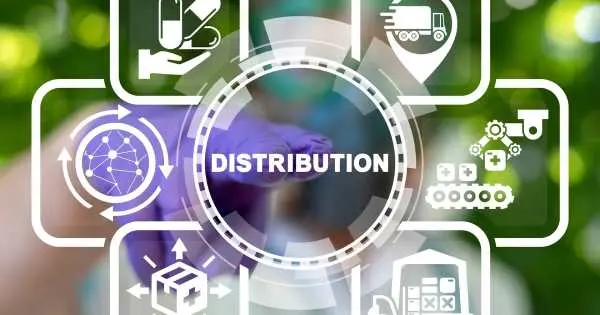
Although this is not a new phenomenon, the marketing of copied, unapproved drugs has taken on unprecedented proportions during the crisis. Traceability is essential, from manufacturing to distribution. Logistics companies have stepped up their use of technology - sensors, RFID chips - to monitor temperature and humidity during storage and transport.
Blockchain is one of the technological solutions applicable to the transport of medicines. Blockchain offers a high level of security, as users share data without intermediaries. Every addition or exchange of data is stored in memory. The integration of new information is chronological, indelible and unforgeable.
In France, the transport, distribution and storage of medicines are carried out in compliance with BPDG (Good Practices for the Wholesale Distribution of Medicines). The refrigeration sector is highly efficient, with a large number of refrigerated vehicles and isothermal containers. Despite this mastery, the Covid-19 vaccines represented a real challenge. While Moderna's vaccine can be stored at -20°C, Pfizer's vaccine has to be transported and stored at -70°C. Extreme temperatures unheard of for a vaccine.
Logistics operators had to set up an optimized distribution network, taking into account a number of constraints:
The health crisis has undeniably put the spotlight on pharmaceutical logistics. It has also highlighted the crucial need for infrastructures adapted to temperature-controlled storage and transport. This includes obtaining additional funding to increase the number of temperature-controlled zones available.
To meet the needs of pharmaceutical companies, logistics operators are increasingly committed to CEIV Pharma certification, issued by IATA. CEIV Pharma certification guarantees the safe handling and transportation of healthcare products. It attests to the conformity of facilities, equipment and staff training.
HK Courses provides temperature-controlled transport in France and Europe. We provide direct delivery of your healthcare products, from parcels to complete batches. Contact our customer service department for a personalized quote.
Our teams are available 24/7: request a quote or call us.
Transporting hazardous materials requires rigor, expertise and a perfect command of regulations.
At a time when the speed and reliability of deliveries have become major challenges, chartering has become a strategic solution for the transportation of goods.
When a company needs to ship an urgent parcel, the choice of carrier becomes strategic. A delay, a damaged parcel or poor tracking management can have a direct impact on…